GC Featured in Variety: Bob Woodruff’s ‘Last Lands’ Docuseries on the Harrowing Fight to Protect Earth’s Threatened Ecosystems
In a follow-up to Last Lands 1, which was a 2-Time Emmy Nominee, Season 2 is a two-part series focusing on Central America, including El Mirador in Guatemala and Coiba National Park in Panama. We at GC hope this series will inspire thousands of people to help Protect Our Planet.
Watch the Trailer:
Docuseries “Last Lands,” hosted by ABC News correspondent Bob Woodruff, returns for Season 2 for new on-the-front-lines dispatch from the battle to protect the health of the planet.
The two-part special will premiere on ABC News Live, Disney+ and Hulu on Thursday, Oct. 16, at 8:30 p.m. ET. The second episode will go live the following week on Oct. 23. The documentary series, presented in partnership with not-for-profit environmental organization Global Conservation, spotlights conservation efforts to preserve Earth’s most threatened ecosystems.
Two-part series premieres Oct. 16 on ABC News Live, Disney+ and Hulu
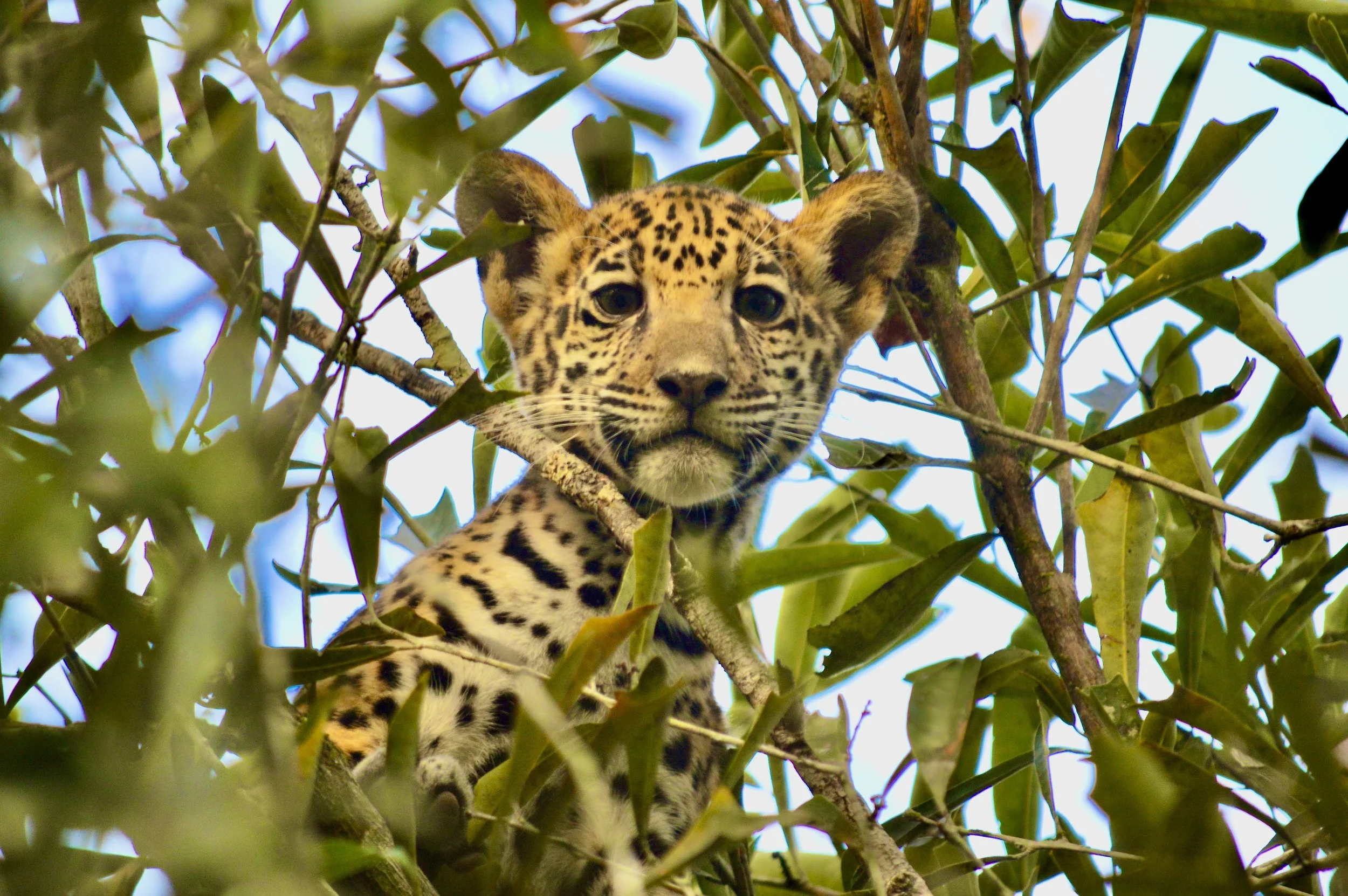
Mexico has solidified its position as the only country with a national census of the largest feline in the Americas, registering a 30% population recovery in the last decade. In the heart of the Mayan jungle, WIRED witnesses how an alliance between satellite technology, international funding, and economic pragmatism seeks to protect the continent's second-largest tropical reserve before it's too late.
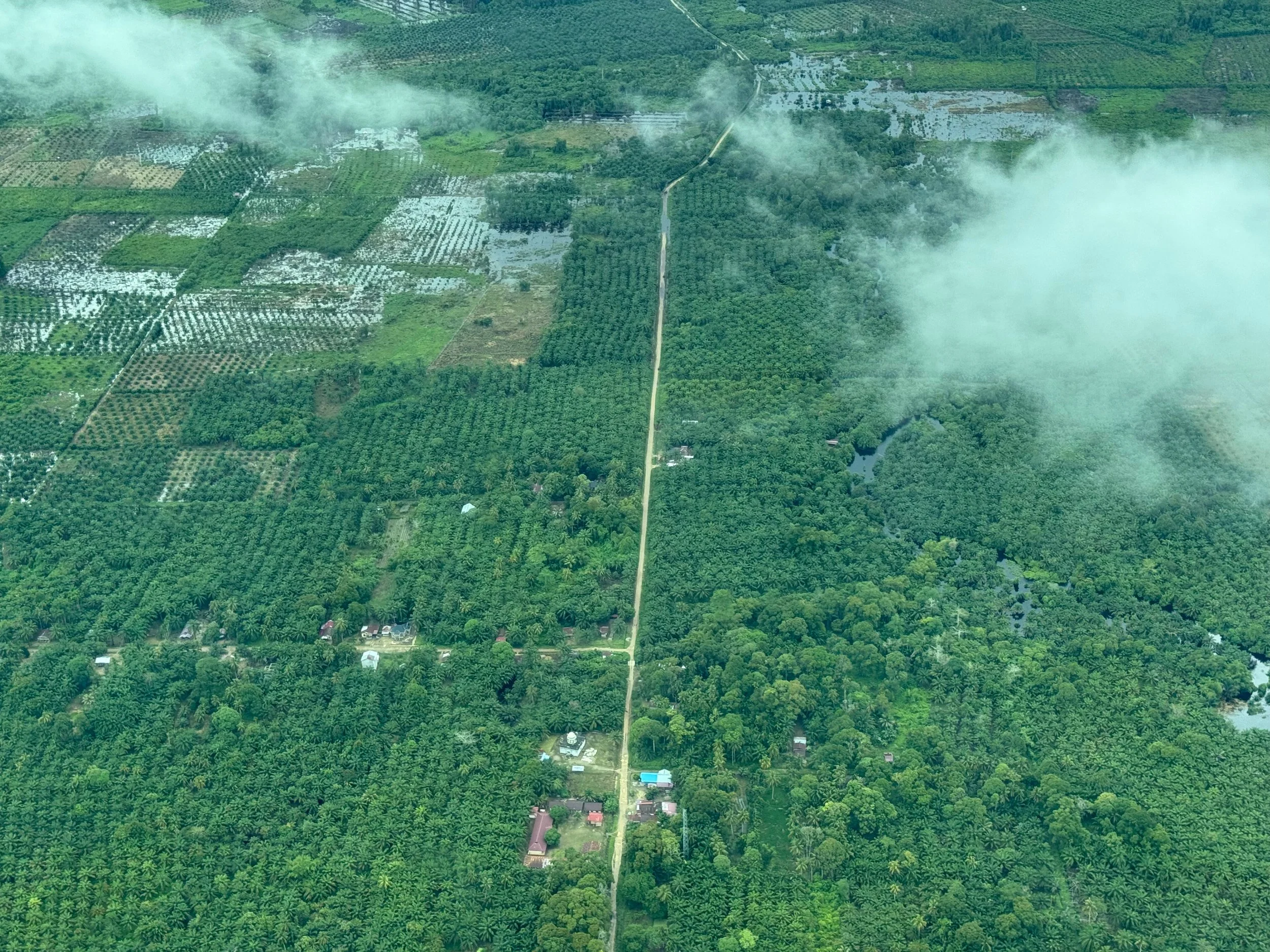
In 2025, satellite evidence shows 652 hectares of new illegal oil palm plantations inside Rawa Singkil Wildlife Reserve, with 453 hectares already in production as of September 2024. The destruction of large forest areas in Singkil is happening now and likely has the involvement of corrupt government officials. Almost 5% of the wildlife reserve has already been destroyed.
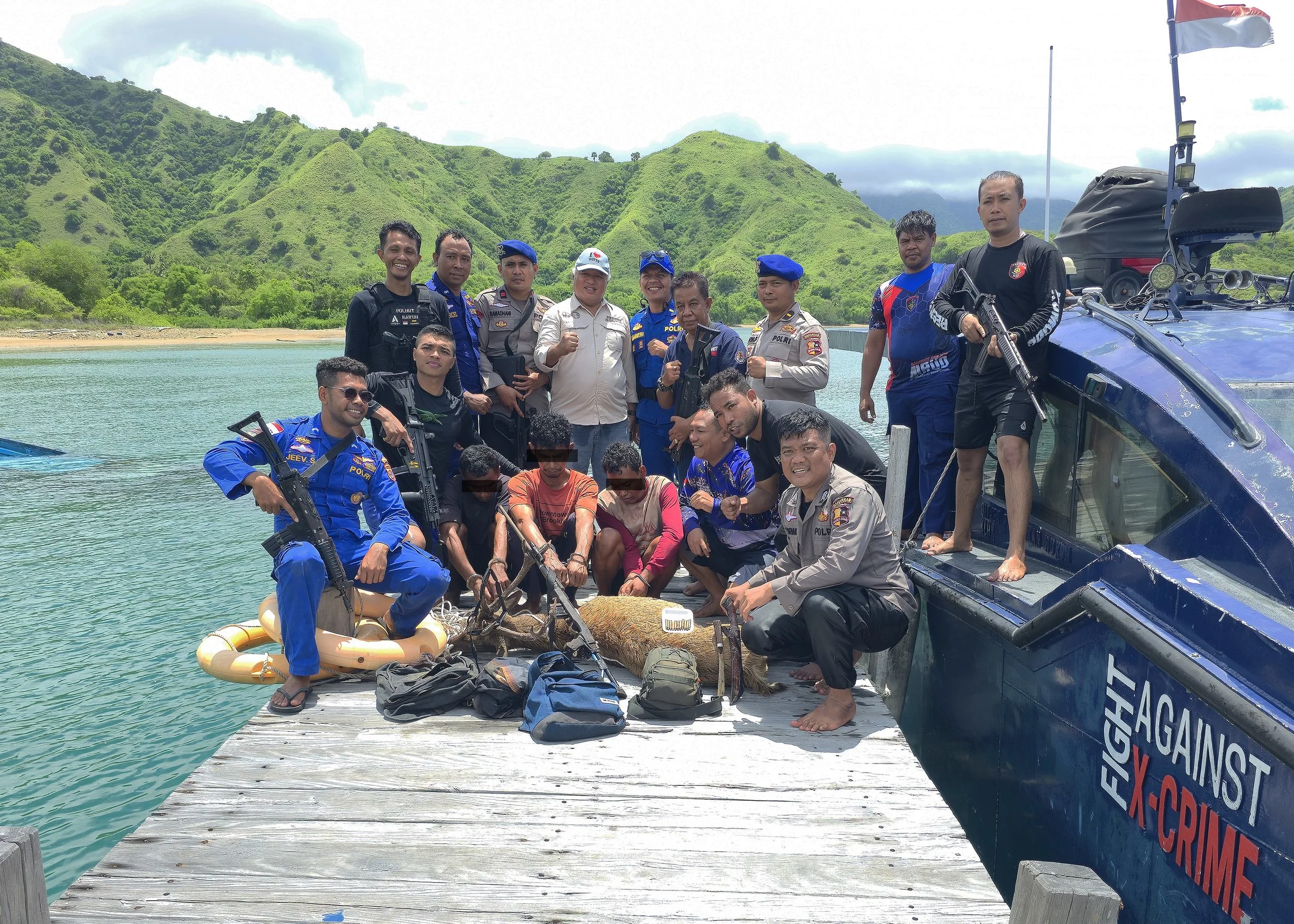
This year 2025 represented an important milestone in the ongoing effort to strengthen protection and management of Komodo National Park (KNP). Following the achievements of previous years, this year’s initiatives primarily focused on optimizing infrastructure to support sustainable conservation and integrating advanced technology surveillance systems to improve the management of the park’s protection.
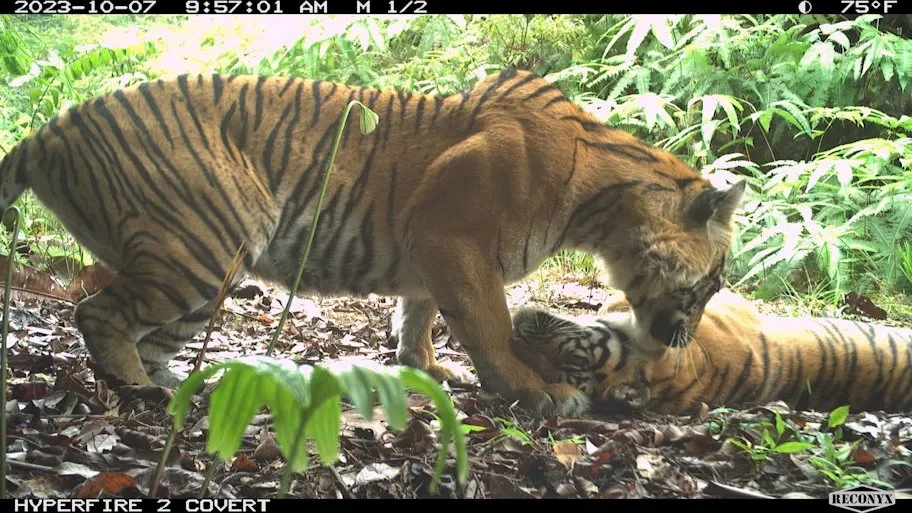
In many ways, the Leuser ecosystem is an ideal habitat for Sumatran tigers. Three times the size of Yellowstone National Park, it is the largest contiguous tiger habitat remaining in Sumatra. It’s made up of lowland, hill, and montane forests, of which 44% are classified as intact forest landscape. “It’s also more thoroughly patrolled by rangers than nearly any other place on the island,” Figel said.
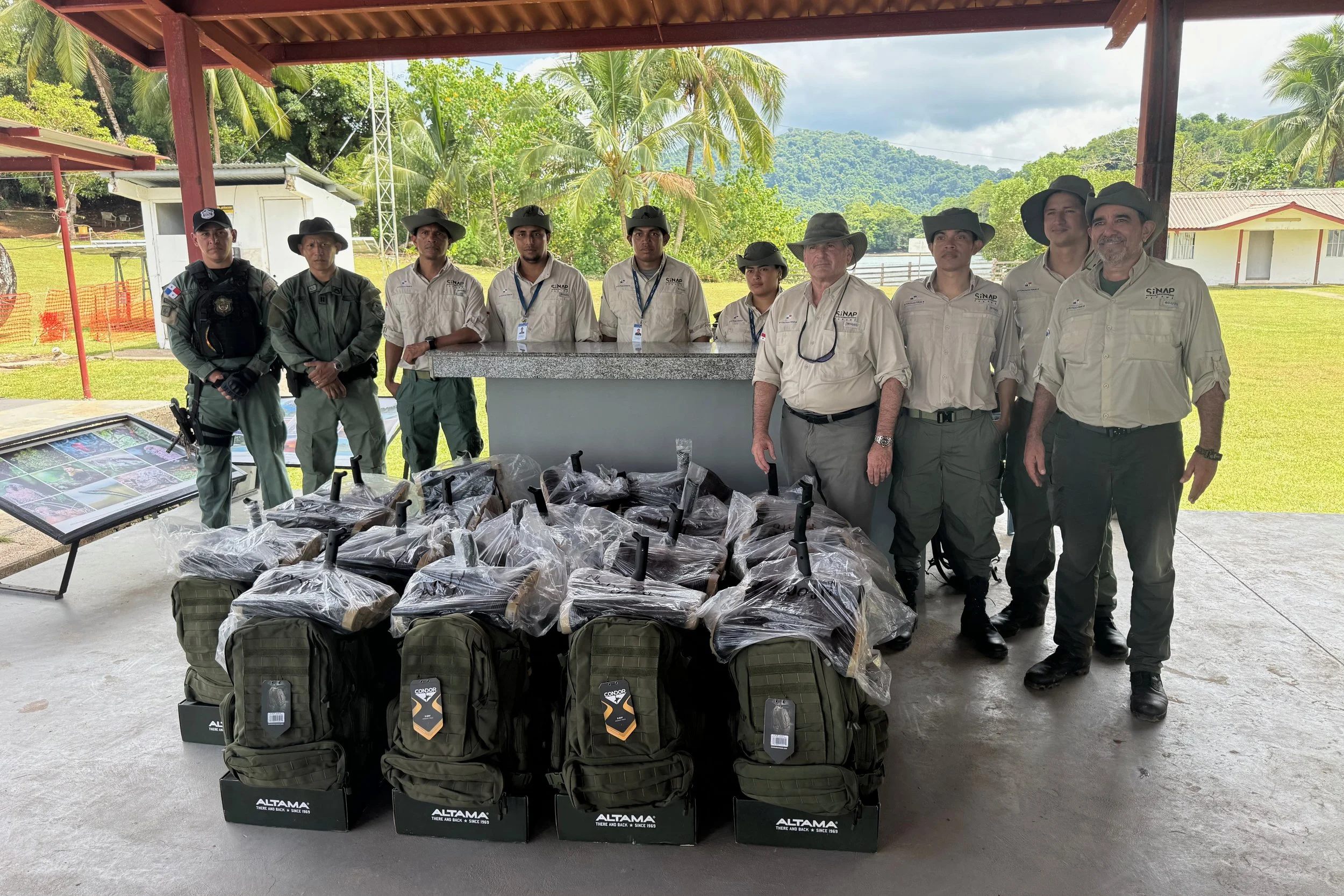
Low-cost tech and joined-up funding have reduced illegal logging, mining and poaching in the Darién Gap—it’s a success story that could stop deforestation worldwide
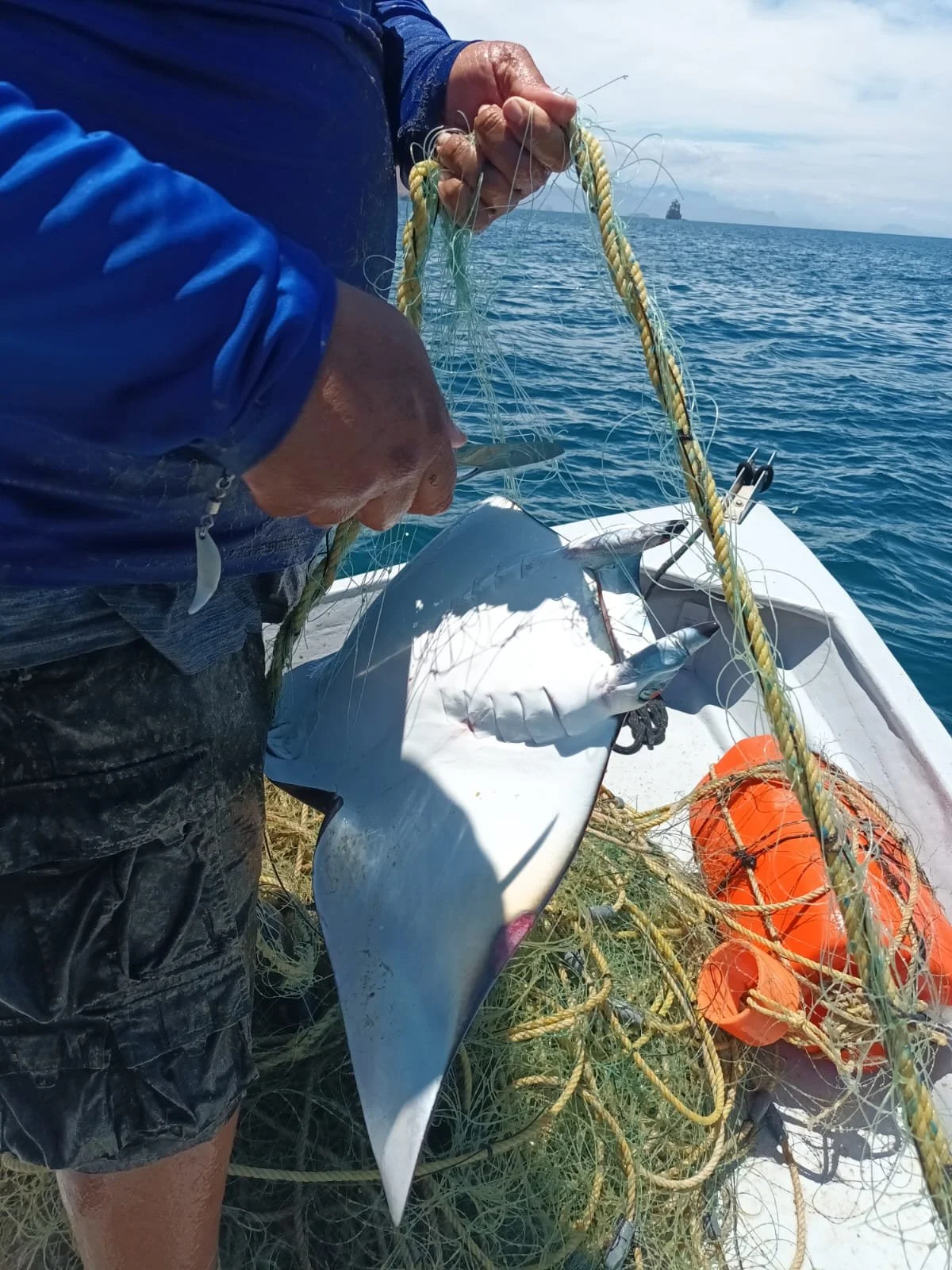
Global Conservation’s primary objective on land and sea is to protect the endangered marine ecosystems of the Baja Sur marine corridor from Loreto to East Cape (Boca del Álamo) by alleviating the pressures of illegal fishing, unregulated tourism, overfishing, and increasing marine traffic.
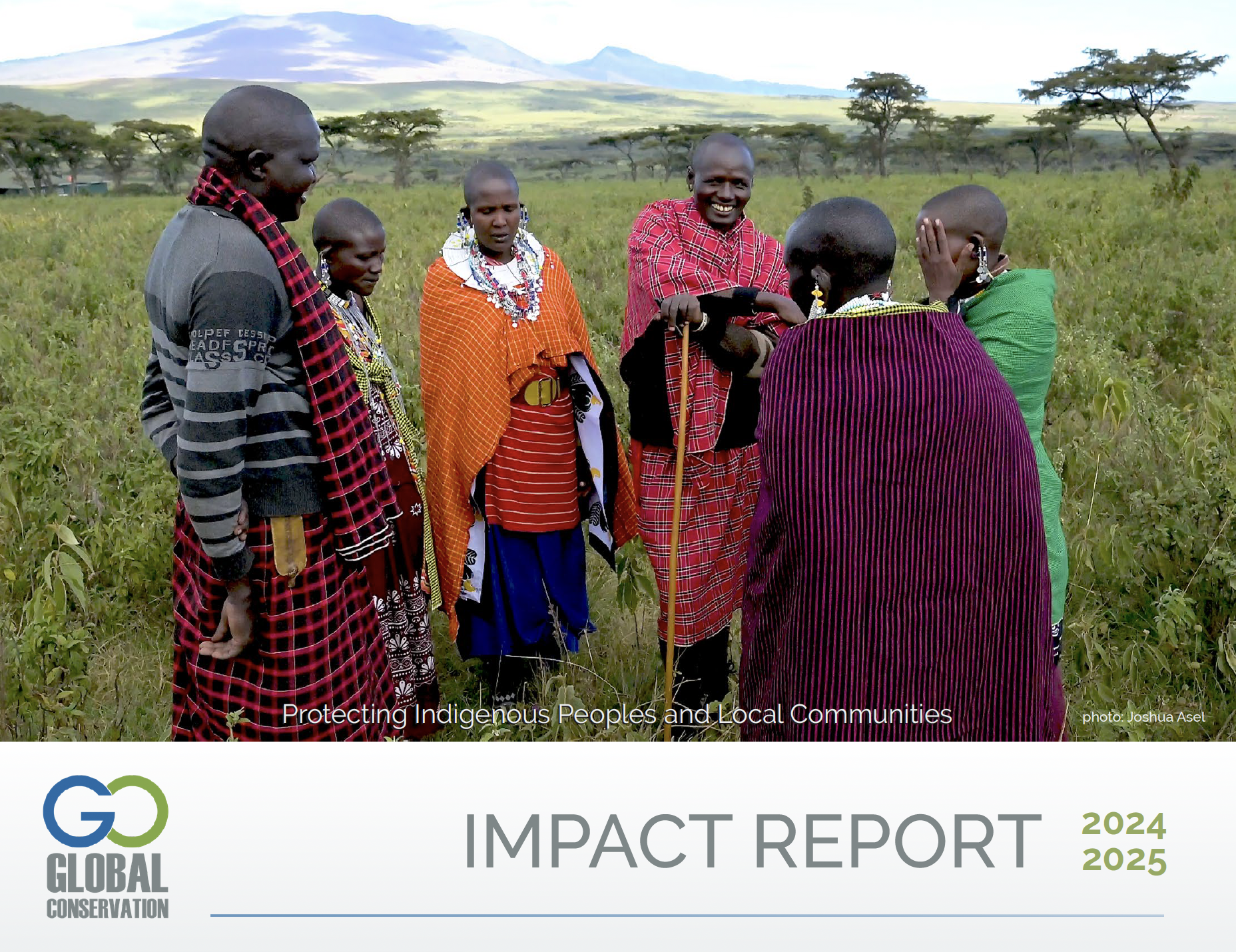
Packed with highlights of conservation successes from around the world at our project sites, this report features the effectiveness that the Global Park Defense and Community Engagement programs have for protecting culturally rich and highly biodiverse natural ecosystems in the most threatened parts of our world—land or sea.
Global Conservation is working to protect the Last 10% of Intact Primary Forests and Marine Ecosystems.
In 2025, Global Conservation made a tremendous impact towards our protection goals across 22 countries and over 20 million acres.
Global Conservation is working to secure permanent protection for Mirador National Park in Petén, Guatemala—the Heart of the Maya Biosphere and the Cradle of Maya Civilization.
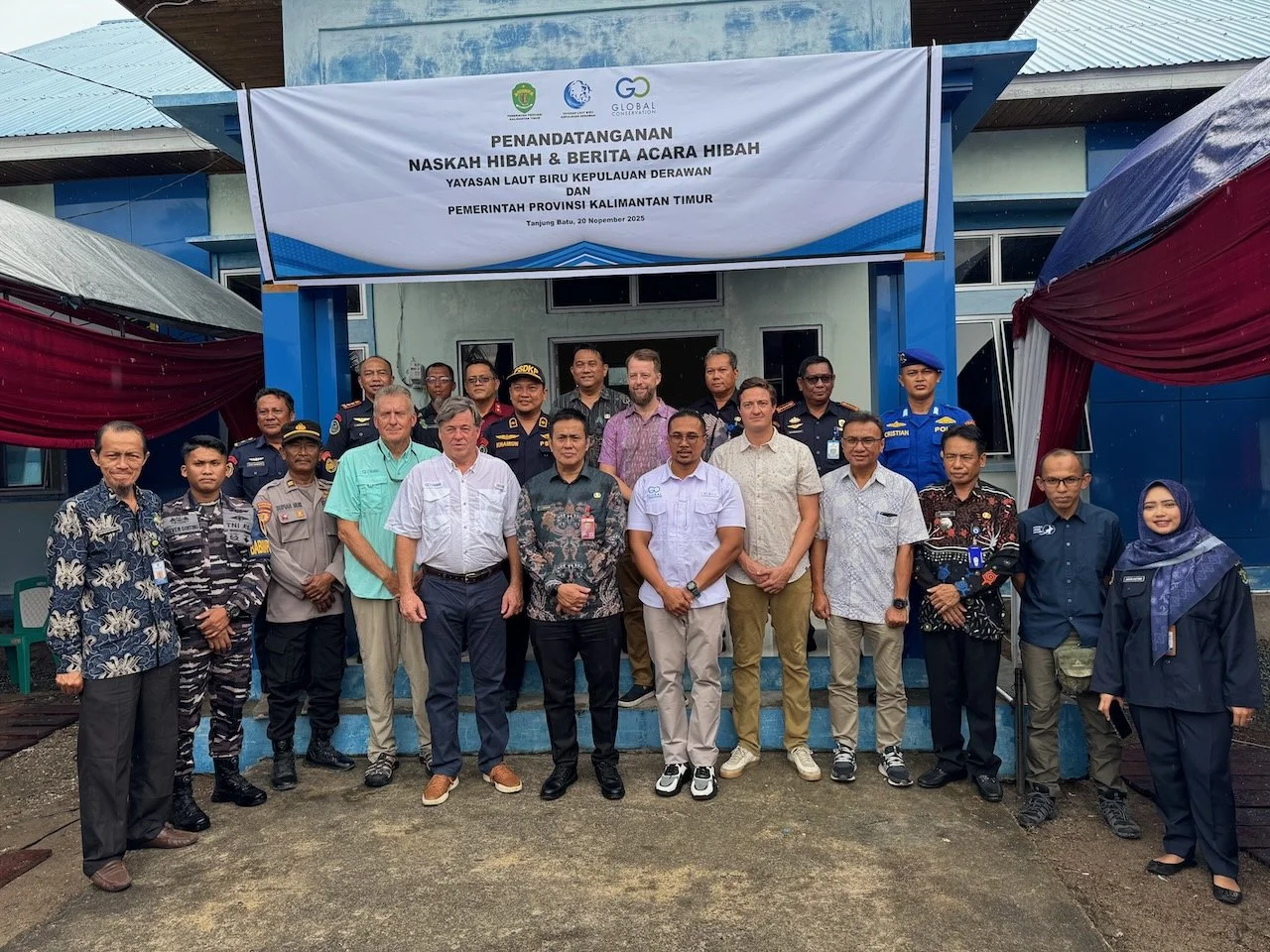
Indonesia just inaugurated its first marine radar with the Governments of East Kalimantan and Berau to protect the Derawan Archipelago, Indonesia’s most important and biodiverse Marine Protected Areas (MPA).
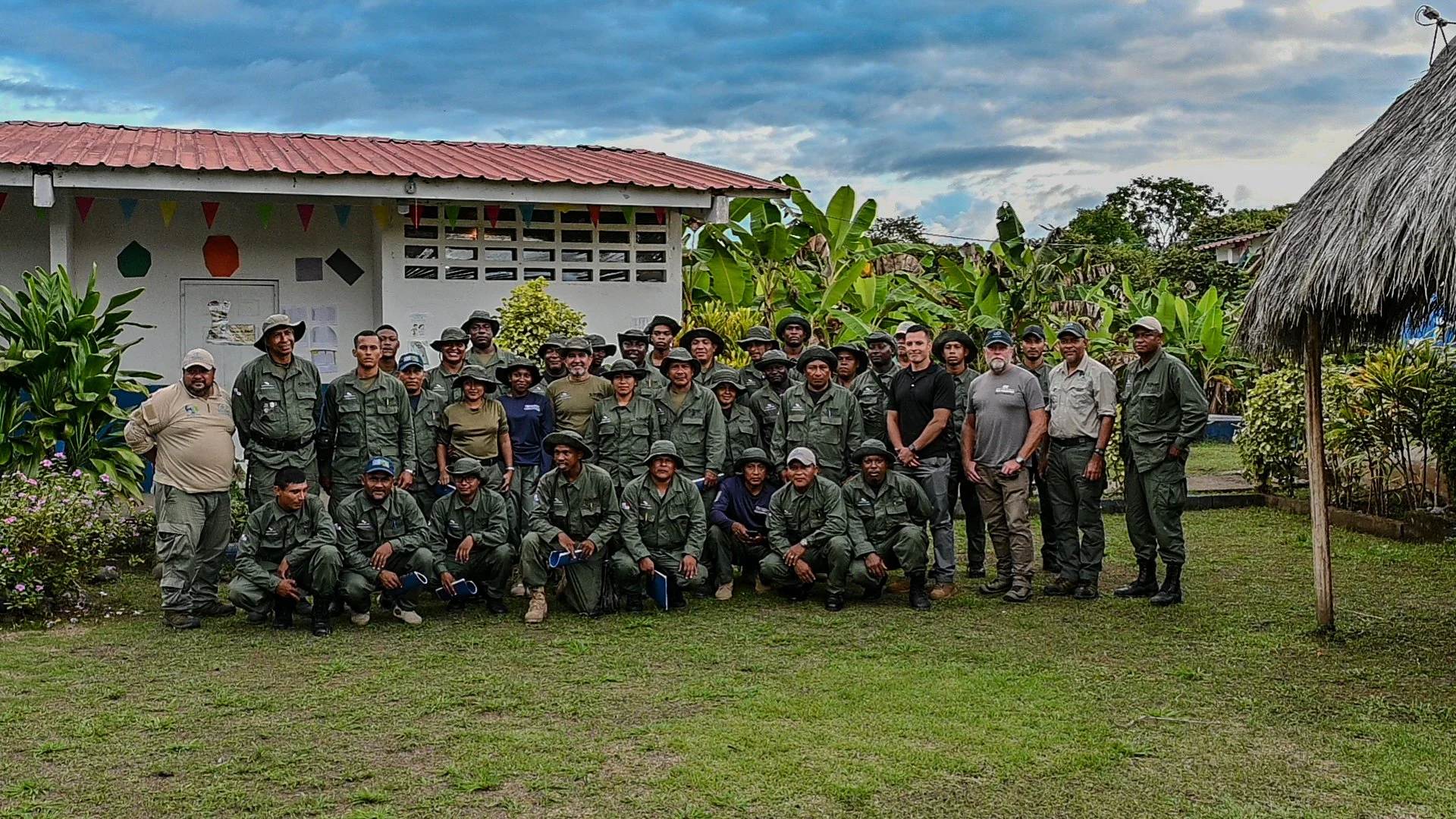
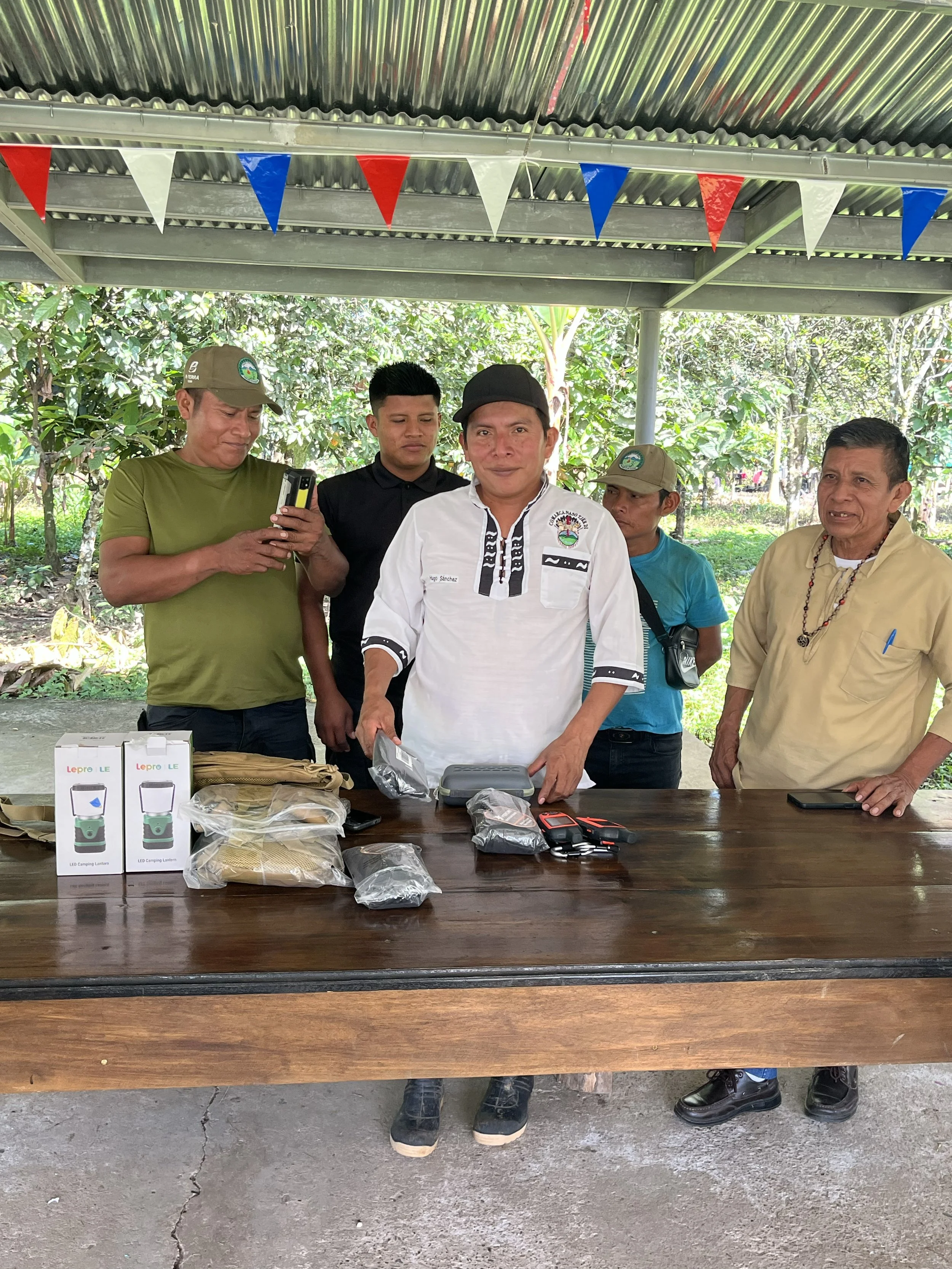
Rangers from the Naso Kingdom spend days patrolling their forests to stop deforestation, which is penetrating the borders of their territory. Satellite monitoring and observing the terrain from high points helps them identify deforestation hotspots to visit on patrols. Global Conservation continues to support the community rangers in their efforts to protect this vast area of tropical rainforests in Panama.
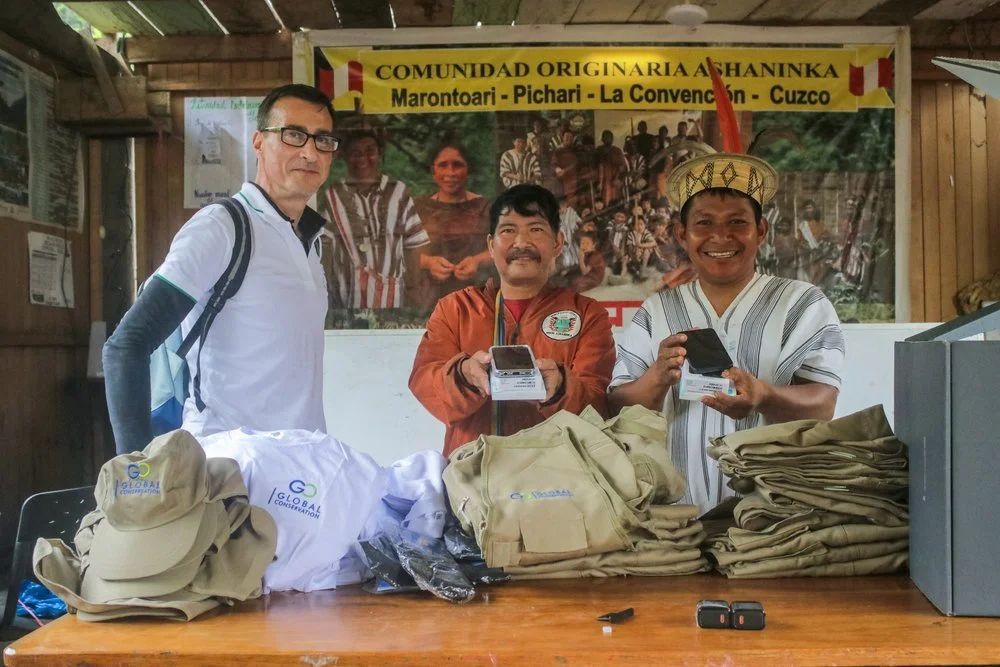
Global Conservation forwards protection efforts throughout Peru in multiple parks while supporting native peoples through our Community Engagement program.